

Understanding Your Options
When suspension components wear out, you're faced with a choice. OEM parts or aftermarket alternatives? It's not always straightforward. The right decision depends on your vehicle, driving style, budget, and what you want from your suspension system. We'll walk you through the factors that matter most.
OEM Parts: Factory Standards
OEM (Original Equipment Manufacturer) parts are what came on your car from the factory. They're engineered specifically for your vehicle's weight, handling characteristics, and suspension geometry. When you replace with OEM parts, you're getting exactly what the manufacturer designed.
These parts carry a higher price tag, but there's logic behind it. They've been tested extensively. They'll fit perfectly without modification. And they maintain your vehicle's original performance envelope. Plus, if something goes wrong with an OEM part, warranty coverage is straightforward.
The downside? Cost. OEM springs and shocks can be 40-60% more expensive than quality aftermarket alternatives. And if you're looking for improved performance—better handling, lower ride height, stiffer damping—OEM parts won't take you there.
Aftermarket Options: Flexibility and Choice
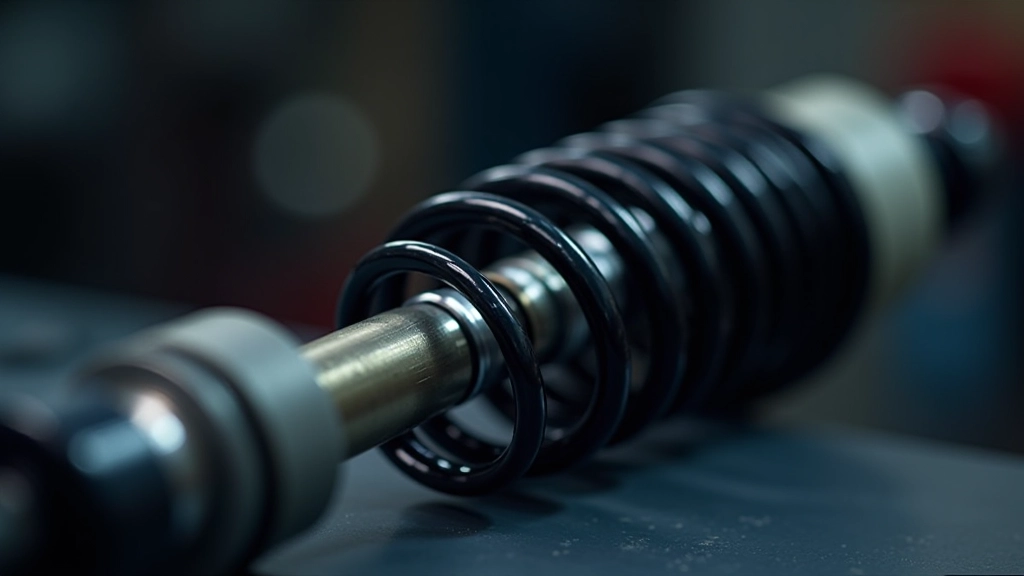
Aftermarket suspension parts come from manufacturers other than your car's maker. Companies like Bilstein, KYB, Agee, and Monroe make components that fit your vehicle but aren't factory-original. The variety is significant.
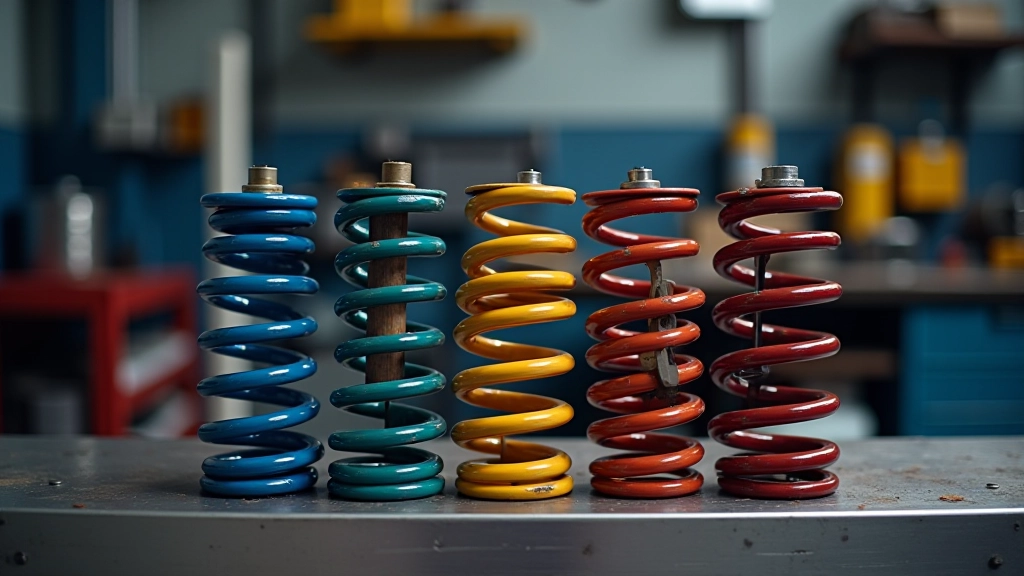
Want to lower your car slightly? Aftermarket springs come in different rates. Looking for better damping control? Aftermarket shocks offer adjustable options. Need something for off-road capability? Lifted kits exist. This flexibility is huge if you want to tune your suspension beyond factory specs.
Quality varies across the aftermarket. Budget options exist, but so do premium offerings that match or exceed OEM durability. The key is knowing what you're buying. A $120 shock isn't the same as a $320 shock. Don't assume cheaper is automatically worse, but understand you're making a trade-off.
Key Compatibility Check
Before ordering any parts, verify these specifics: vehicle year, make, model, engine size, and suspension type (independent, double-wishbone, MacPherson strut, etc.). A spring for a 2015 Honda Civic isn't the same as one for a 2015 Toyota Corolla. Even within the same model year, engine size matters because heavier engines need stiffer springs to maintain ride height.
Matching Parts: Springs and Shocks Work Together
Here's something many people get wrong: springs and shocks aren't independent. They work as a system. A stiff spring paired with a weak shock creates a bouncy, uncomfortable ride. A soft spring with a firm shock feels harsh. They need to complement each other.
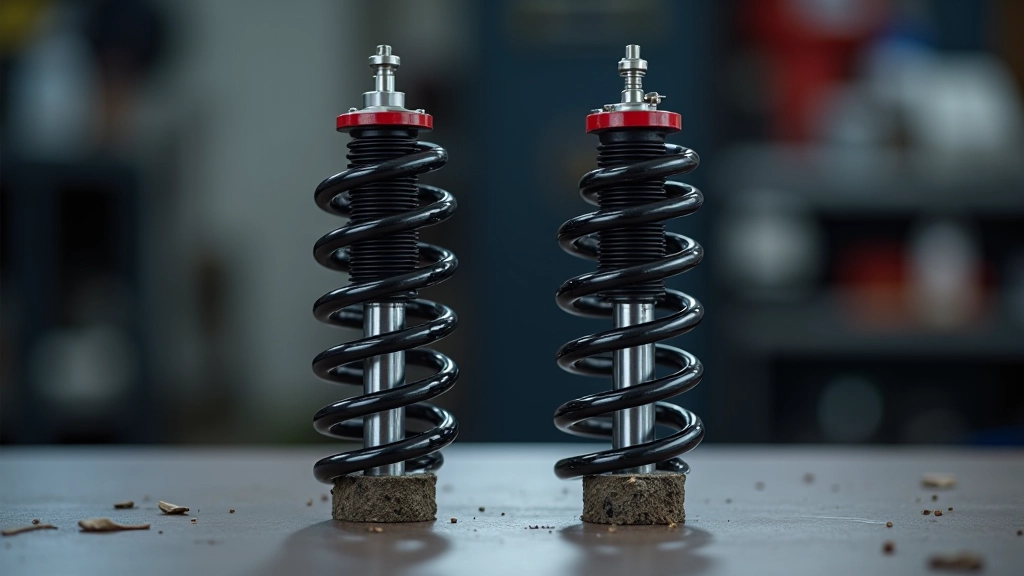
When replacing components, think about the whole package. If you're replacing both springs and shocks—which you should—choose them together. A matched set from the same manufacturer gives you the best results. The engineers designed that spring to work with that specific shock rate.
Sometimes you're replacing just the shocks because springs still have life. That's fine, but be realistic about expectations. New shocks will improve control, but they can't compensate for worn-out springs. Conversely, new springs won't fix a shock that's lost its damping ability.
The Budget Reality: What to Spend
Budget suspension replacements—springs and shocks combined for around $200-400 total—work. They'll get your car back to a drivable state. But they're not your best option if you want longevity. These parts might last 40,000-60,000 miles before you're noticing issues again.
Mid-range parts ($500-1000 for the pair) represent the sweet spot for most drivers. You're getting decent durability—typically 80,000-120,000 miles—without spending on premium brands you don't need. Quality is reliable, and performance is noticeably better than budget options.
Premium components ($1200+) make sense if you drive aggressively, live in harsh climates, or want extended lifespan. You're paying for engineering refinement, better materials, and warranties that reflect manufacturer confidence. For regular commuting? You probably don't need to go this route.
Making Your Decision
Start with your vehicle's specific needs. Check what's worn out—springs, shocks, or both. Understand your driving patterns and what matters to you: comfort, performance, longevity, or cost. Then match that to what the market offers.
Don't feel pressured into OEM if a quality aftermarket option fits your needs better. Conversely, don't cheap out on suspension components just to save money. These parts directly affect how your car handles, stops, and feels on the road. Getting them right matters.
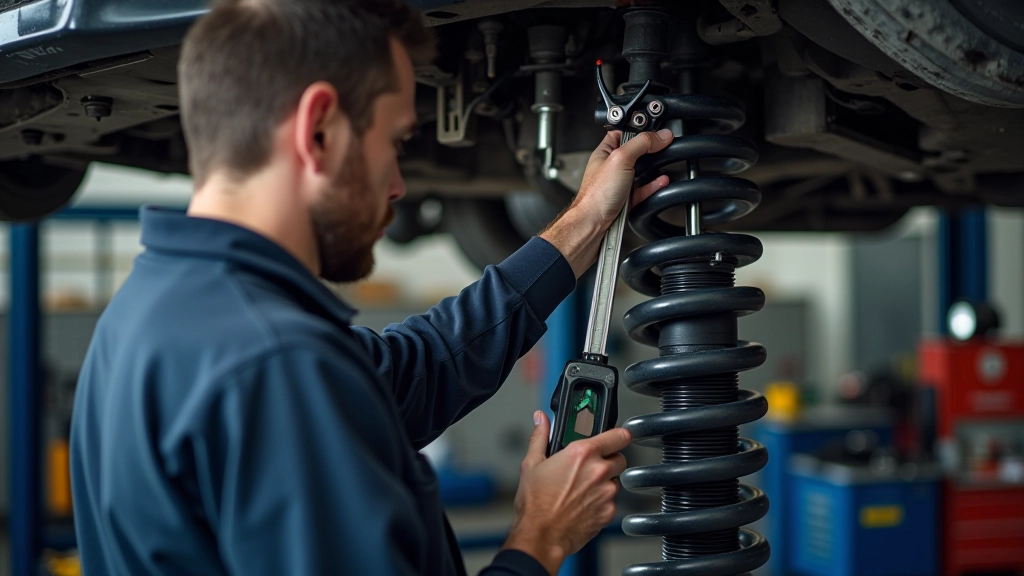
When you're ready to order, work with a knowledgeable technician who can verify compatibility and help you understand what you're buying. Ask questions. Get recommendations. The suspension system is complex, but understanding your options puts you in control of the decision.
Information Disclaimer
This article provides general educational information about suspension components and selection. Specific compatibility, installation requirements, and performance characteristics vary by vehicle make, model, and year. Always consult your vehicle's manual, work with a qualified technician, and verify part compatibility before purchase or installation. Suspension work affects vehicle safety and handling—when in doubt, seek professional guidance.