Signs Your Suspension Needs Attention
Bouncy rides, uneven tire wear, and clunking noises — what these warning signs mean and when to get them checked.
Professional repair and replacement guidance for your vehicle's suspension system
Learn about suspension maintenance, repairs, and when to seek professional help
Bouncy rides, uneven tire wear, and clunking noises — what these warning signs mean and when to get them checked.
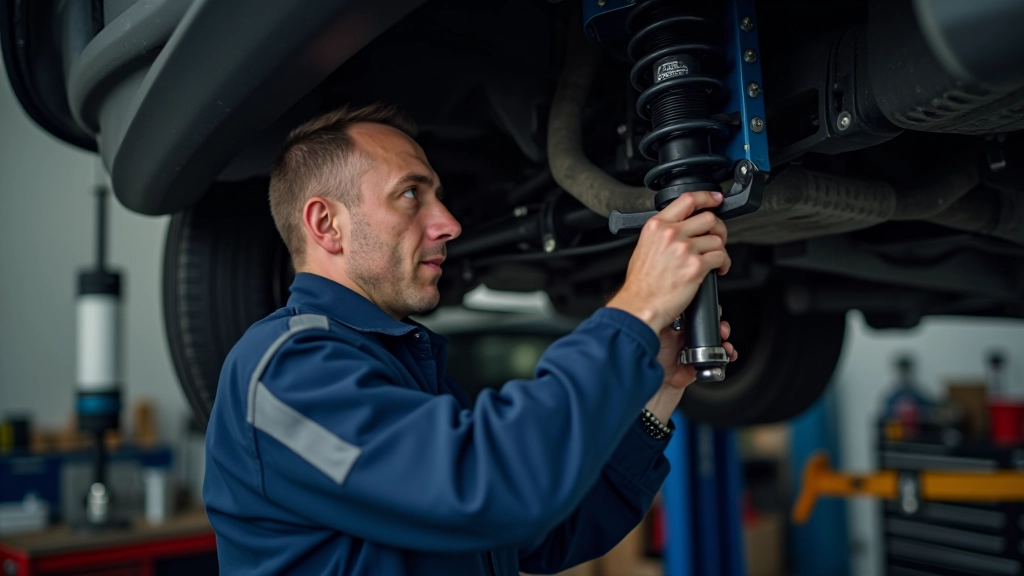
From diagnostics through installation — how the shock absorber replacement process works and why it's worth the investment.
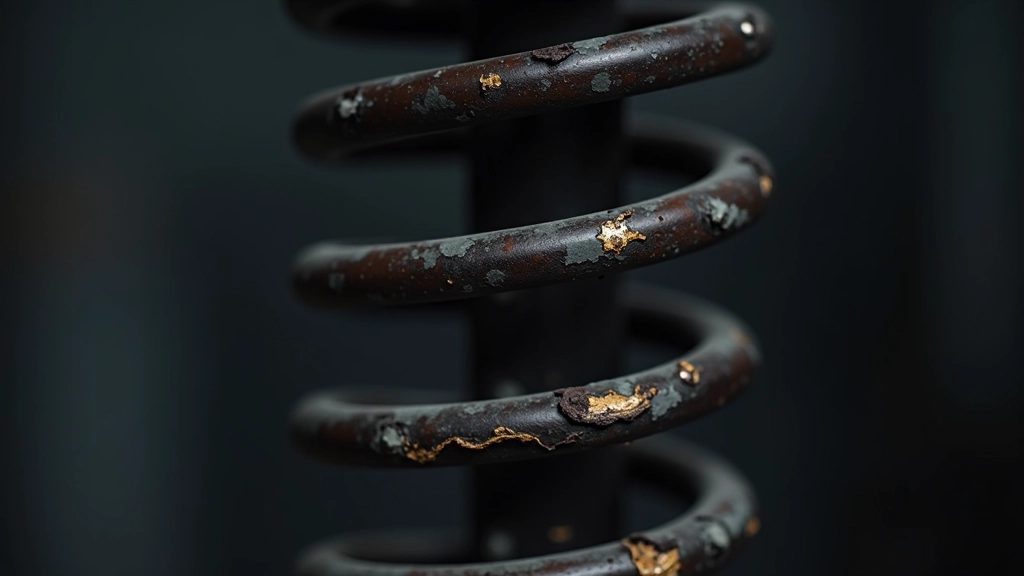
How suspension springs wear over time, what causes them to fail, and practical maintenance strategies to extend their lifespan.
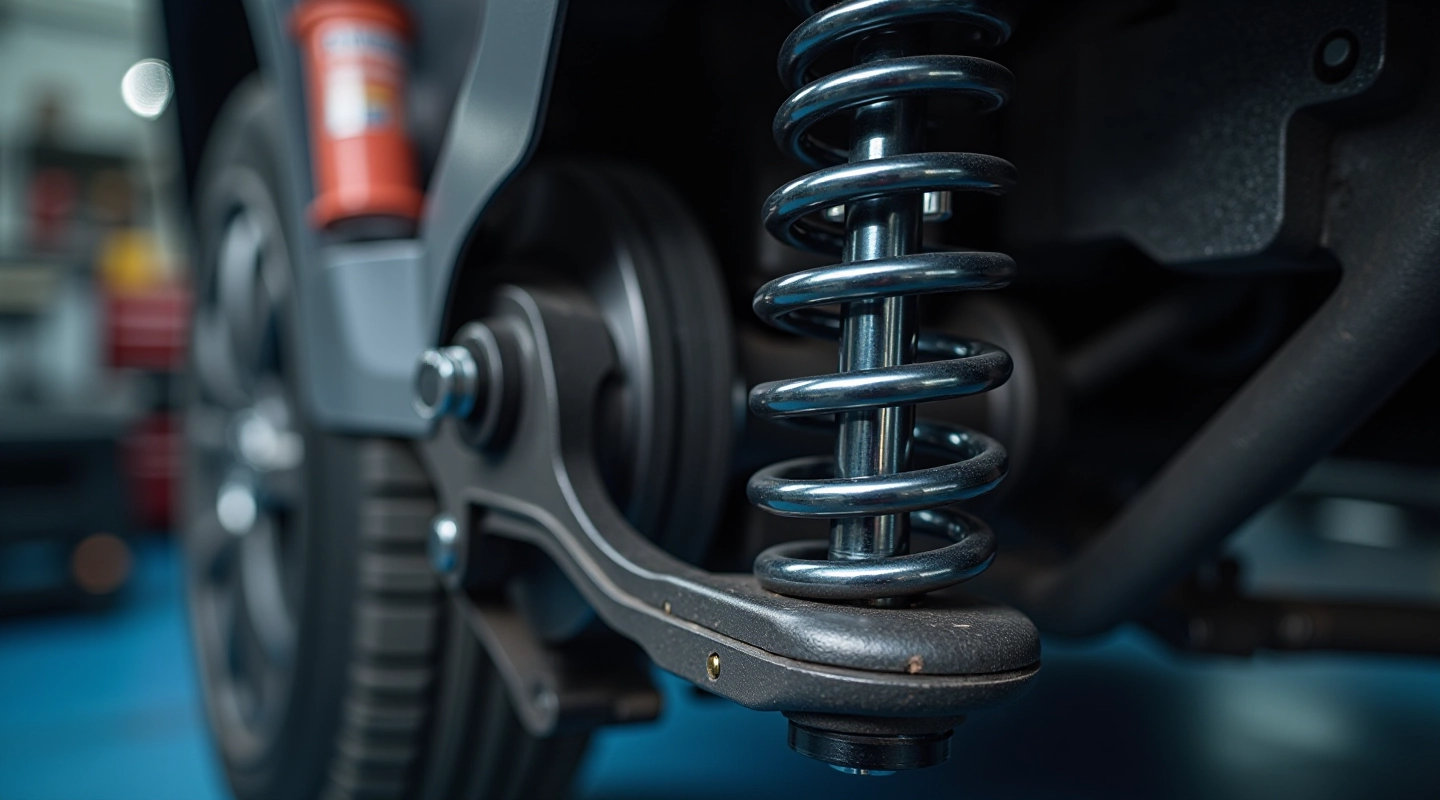
OEM versus aftermarket options, compatibility factors, and how to make informed decisions about suspension components for your car.
A well-maintained suspension system isn't just about comfort — it's about safety. We've found that most suspension problems develop gradually. Catching them early means fewer complications, safer driving, and better long-term costs for your vehicle.
— Editorial Team, Suspension Service Resources
Quick answers to frequent questions about suspension service and repair
We recommend annual inspections as part of routine maintenance. If you notice any signs of wear — rough rides, unusual noises, or uneven tire wear — get it checked sooner. Regular inspections help catch problems before they become expensive repairs.
Springs support your vehicle's weight and handle bumps in the road. Shock absorbers control the movement of those springs, keeping your ride smooth and stable. Both work together — you need both functioning properly for good suspension performance.
It depends on the damage severity. Minor issues might be tolerable for short distances, but damaged suspension affects your safety and can damage other vehicle components. Don't ignore it — get it inspected and repaired. Driving on damaged suspension increases accident risk and leads to more expensive problems.
Simple repairs like shock absorber replacement typically take 2-4 hours. More complex work involving springs, struts, or multiple components can take longer. The exact time depends on your vehicle's design, how accessible the components are, and whether additional work is needed once the job begins.