
Understanding Your Suspension Springs
Springs are what keep your car from bottoming out every time you hit a bump. They're working constantly, absorbing energy from road impacts and supporting your vehicle's weight. Over time — usually 3 to 5 years of normal driving — they'll gradually lose their ability to do this job effectively.
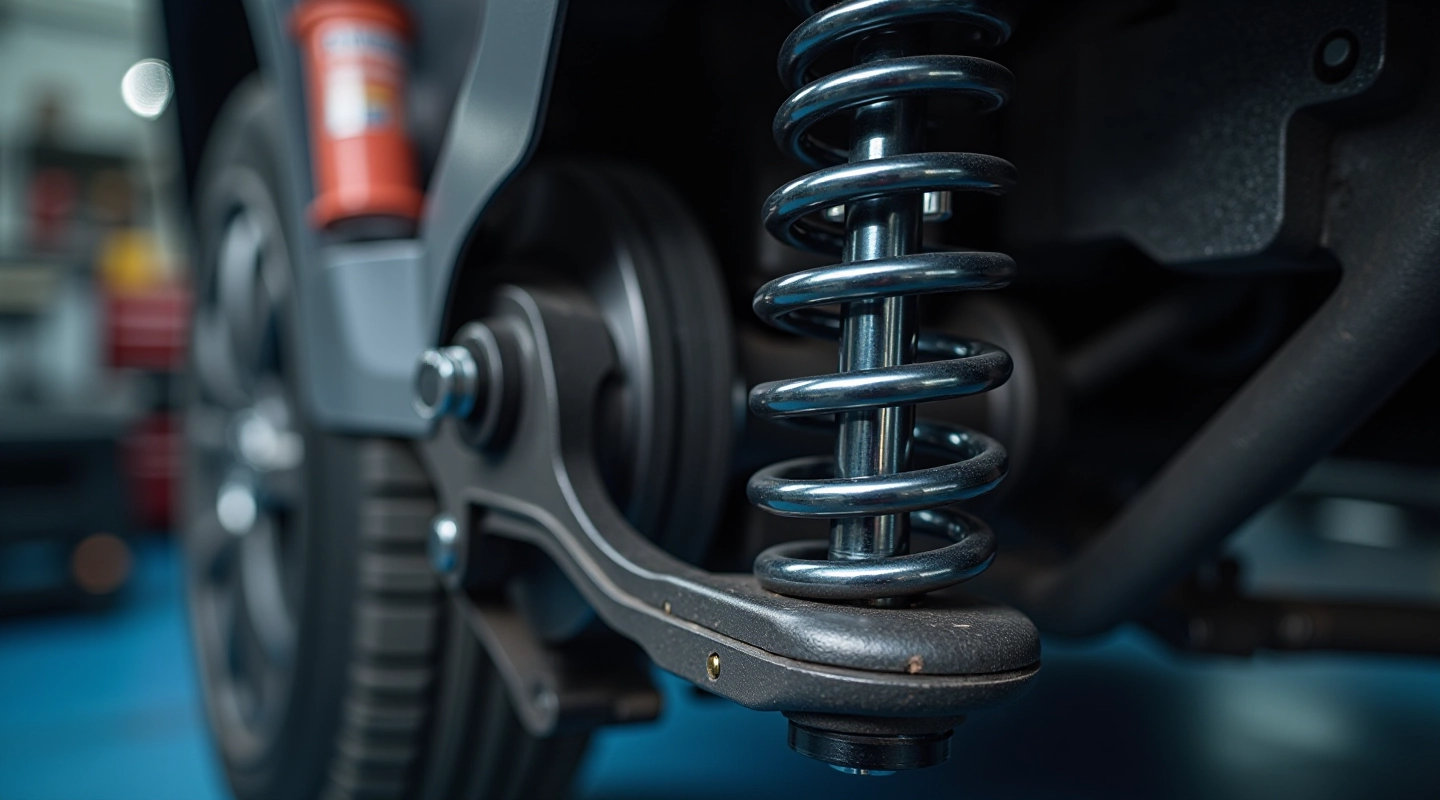
You've got a few types of springs depending on your vehicle. Coil springs are the most common. They're metal spirals that compress and expand. Leaf springs, found mainly on trucks and some SUVs, work differently — they're flat metal strips stacked together. Torsion bars, used in some vehicles, twist rather than compress. All of them do the same basic thing: they bounce back after being pushed down.
The problem starts small. A spring loses maybe 10-15% of its stiffness per year in normal conditions. You might not notice at first. But then your car sits lower on one side. Your ride feels bouncier. That's when things have gotten serious enough to need attention.
Early Warning Signs
Springs don't usually fail suddenly. You'll get warnings if you know what to look for. The most obvious sign is a noticeable drop in ride height. One corner of your car sits noticeably lower than the others. This happens because the spring on that side has lost its stiffness and can't support the weight anymore.
Excessive bouncing after bumps is another red flag. Hit a pothole, and your car bounces up and down several times instead of settling quickly. This means the spring isn't doing its job properly — it's either too weak or damaged.
- Clunking or squeaking noises from under the car
- Uneven tire wear, especially on one side
- Difficulty handling curves — car leans too much
- Steering feels loose or vague
- Visible damage or cracks in the spring itself
What Causes Springs to Fail
Springs fail for a few main reasons. Age is the biggest one. Metal has a fatigue limit. After millions of compression cycles, the material just gets tired and loses its spring-back ability. This happens gradually, not suddenly. You won't wake up to a completely broken spring — you'll notice it's gotten weaker over months.
Road conditions accelerate the process. Potholes, rough surfaces, and constant bumps stress springs more. If you regularly drive on unpaved roads or in areas with poor pavement, your springs will wear faster. Salt and moisture corrode the metal from the outside, weakening it. Cold weather also plays a role — metal becomes more brittle in freezing temperatures, making springs more likely to crack.
Manufacturing defects happen too, though rarely. Sometimes a spring just wasn't made quite right. You might get a spring that fails much earlier than it should. Heavy loads put extra stress on springs. Regularly carrying heavy cargo, towing, or even just extra passengers puts more pressure on the suspension system.
Maintenance Strategies That Work
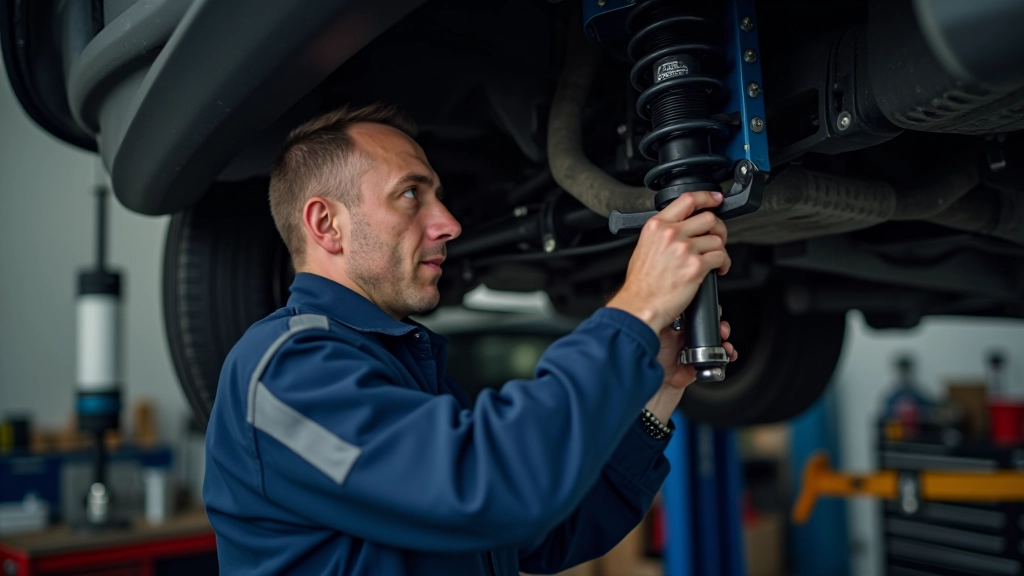
You can't stop springs from aging, but you can slow it down. Regular inspections are your best tool. Get under your car every 6 months and look at the springs. Are they sitting evenly? Any visible cracks or rust? This takes 10 minutes and costs nothing. Catching problems early means you can plan replacement instead of dealing with emergency repairs.
Keep your suspension clean. Salt and moisture are enemies. After winter or if you drive in wet conditions regularly, rinse your suspension system. This removes corrosive materials that attack the metal. Avoid potholes when possible — it's not always realistic, but easing through rough areas instead of hitting them at speed reduces stress on springs.
Don't overload your vehicle beyond its rated capacity. Check your owner's manual for the GVWR (Gross Vehicle Weight Rating). Staying within limits puts less stress on springs. If you regularly carry heavy loads, consider aftermarket heavy-duty springs designed for that purpose.
The Replacement Process Explained
When replacement time comes, here's what happens. Your vehicle gets lifted on a jack or hoist. The wheel is removed to access the spring. If it's a coil spring, the strut or control arm holding it must be removed or the spring compressed with a special tool. This is critical — a spring under compression has enormous force and can cause serious injury if handled incorrectly.
The old spring comes out and the new one goes in. It's not complicated mechanically, but it requires the right tools and experience. Springs come pre-matched to your vehicle's specifications. OEM springs are made by the same manufacturer as your original parts. Aftermarket springs offer alternatives — some are stiffer for performance, others are designed for towing capacity.
Replacement typically takes 2-3 hours per side for a trained mechanic. Most shops recommend replacing both springs on the same axle at the same time, even if only one is obviously worn. They wear together, and replacing just one creates an uneven suspension. After installation, the vehicle gets a wheel alignment to ensure everything's balanced correctly.
When to Replace vs. When to Maintain
This decision depends on how bad things have gotten. If your car is sitting noticeably lower but rides normally otherwise, you might get away with monitoring the situation. Check monthly instead of every 6 months. Document the rate of decline. If it's getting worse quickly, replacement is coming soon.
If you're experiencing bounce, poor handling, or visible damage, replacement can't wait. Continuing to drive on bad springs risks damage to other parts. The shock absorbers have to work harder and wear out faster. Tires wear unevenly, shortening their lifespan significantly. Control arms and bushings get stressed. What started as a spring problem becomes an expensive suspension overhaul.
Vehicle age matters too. If your car's over 10 years old and springs are starting to show signs of wear, replacement makes sense. You'll get several more years of reliable suspension. For newer vehicles with only minor signs, maintaining and monitoring is reasonable if you're willing to check regularly.
Taking Care of Your Suspension
Springs are critical parts that don't get much attention until something goes wrong. But they're working every single time you drive. Regular inspection, keeping your vehicle clean, avoiding unnecessary stress, and replacing springs when needed keeps your suspension healthy and your ride safe. You don't need special expertise to spot problems — just occasional attention and knowing what to look for. When replacement time comes, get it done promptly. Your tires, shocks, and overall vehicle handling will thank you.